 How-to
How to Improve Curb Appeal with Smart, Budget-Friendly Updates
Last Updated: November 1, 2026
Quick Summary
To improve curb appeal, start with free or low-cost cleanup like raking, weeding, and power washing before buying anything, then rank projects by cost, effort, and visual payoff. Most homeowners spent between $100 and $500 on outdoor upgrades in 2026, so focus first on high-impact, low-cost fixes such as painting the front door and refreshing mulch.
- Most homeowners spent between $100 and $500 on outdoor upgrades in 2026.
- Cleanup, weeding, and leaf removal cost $0 to $150 as a DIY project.
- Tier 1 projects are weekend tasks under $200, like edging and new house numbers.
- Widen walkways to at least 36 inches and add a handrail on runs of three or more risers.
- Renters should favor reversible updates like potted plants and removable lighting.
Table of Contents
- How to Improve Curb Appeal: Prioritize Projects by Budget and Impact
- Start With the Cleanup Before You Buy Anything
- Rank Projects by Cost, Effort, and Visual Payoff
- Curb Appeal on a Budget: What Actually Moves the Needle
- Front Yard Landscaping Ideas That Fit Your Home's Style
- Low-Maintenance Landscaping for Desert Heat and Water Limits
- Front Entry Fixes: Doors, Lighting, House Numbers, and Safe Walkways
- Curb Appeal Landscaping Services: What to Hire Out and What to Do Yourself
- Long-Term Upkeep: Maintenance Costs and Rental-Friendly Updates
- Schedule a Yard Assessment and Build Your Improvement Plan
- Frequently Asked Questions
How to Improve Curb Appeal: Prioritize Projects by Budget and Impact
Learning how to improve curb appeal starts with a simple truth: most homeowners spend less than they think they need to. According to the National Association of Realtors' curb appeal guidance, most owners were spending between $100 and $500 on outdoor upgrades in 2026.
At Roadrunner Yard Maintenance, we see the same pattern on property after property. The yards that look best are not the ones with the biggest budgets.
Below, we'll show you exactly how to rank projects by cost, effort, and visual payoff, so your first dollars land where they count.
Curb appeal is the visual first impression a property makes from the street, shaped by cleanliness, color, lighting, and plant health. It is the sum of small, visible details, not one big project.
Start With the Cleanup Before You Buy Anything
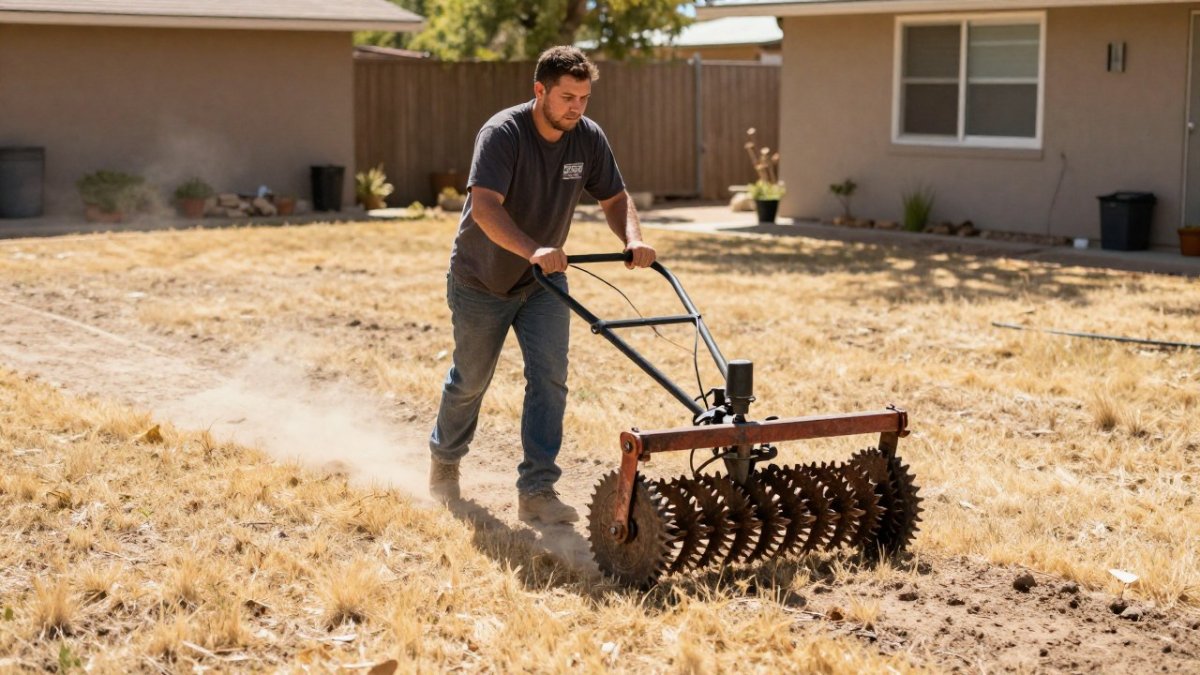
The biggest mistake we see is buying plants and paint before picking up a rake. Cleanup costs almost nothing and changes more than any purchase.
Work through this order first:
- Rake leaves and clear dead growth from beds
- Pull weeds from walkways, beds, and driveway cracks
- Sweep the walkway, porch, and steps
- Clean gutters so water drains away from the entry
- Power wash siding, walkways, and the driveway
A pressure-washed walkway and a weed-free bed edge can make a tired yard look maintained in a single weekend. Do this before you spend a dollar on decor.
Watch out: power washing the wrong way strips paint and etches soft stone.
Rank Projects by Cost, Effort, and Visual Payoff
Not every project deserves your first weekend. Rank each one on three scores: cost, effort, and how much it changes the view from the street. High impact plus low cost goes first. The table below turns that method into a working plan, with realistic U.S. price ranges for a typical single-family home.
| Project | Typical Cost (USD) | Effort | Visual Impact | Upkeep Burden |
|---|---|---|---|---|
| Cleanup, weeding, leaf removal | $0-$150 DIY; $200-$600 hired | Low | High | Seasonal |
| Fresh front door paint | $30-$80 (one gallon + supplies) | Medium | High | 5-8 years |
| New house numbers | $15-$60 | Low | Medium | None |
| Porch light refresh | $40-$200 per fixture | Medium | High | Bulb swaps |
| Bed edging and mulch | $150-$500 DIY; $400-$1,200 hired | Medium | High | Annual mulch refresh |
| New plantings (perennial bed) | $200-$800 | Medium | High | Watering year one |
| Walkway repair or replacement | $300-$1,500 repair; $2,000-$6,000+ replacement | High | High | Sealing every few years |
| Exterior paint (full house) | $3,000-$10,000+ | High | High | 7-10 years |
Build a Three-Tier Plan
Tier 1, Weekend and under $200. Cleanup, weeding, edging, fresh mulch, new house numbers, and a door repaint.
Tier 2, One to three weekends, $200-$1,500. Porch lighting, matching planters, bed expansion, and minor walkway repair. These sharpen the entry once the basics are clean.
Tier 3, Seasonal or professional, $1,500 and up. Full exterior paint, walkway replacement, irrigation, and structural hardscape.
Weigh Upkeep, Not Just Install Price
A cheap improvement that needs constant work costs more over five years than a pricier one that lasts. Gravel mulch, for example, costs more up front than bark mulch but rarely needs replacing. Painted wood trim needs repainting every few years; composite trim does not. Before you buy, ask two questions: How often will this need attention, and what does that attention cost in money and weekends?
This table is the whole method. Anything cheap, quick, and visible moves to the top of your list. Save the expensive, invisible work for later.
Curb Appeal on a Budget: What Actually Moves the Needle
Curb appeal on a budget is about spending where the eye goes first: the entry, the edges, and the color. A few well-chosen changes beat a scattered shopping spree.
Here's where small money goes furthest:
- Paint the front door. One can of exterior paint transforms the focal point of the house.
- Match the trim. Touching up faded trim and shutters sharpens the whole facade.
- Replace hardware. A new handle set and kick plate modernize an older door.
The U.S. Department of Energy's guidance on exterior home improvements notes that exterior updates also affect how a home performs, so choose materials that hold up to your local weather.
Skip the impulse buys. A yard full of mismatched decor looks cluttered, not cared for.
Front Yard Landscaping Ideas That Fit Your Home's Style
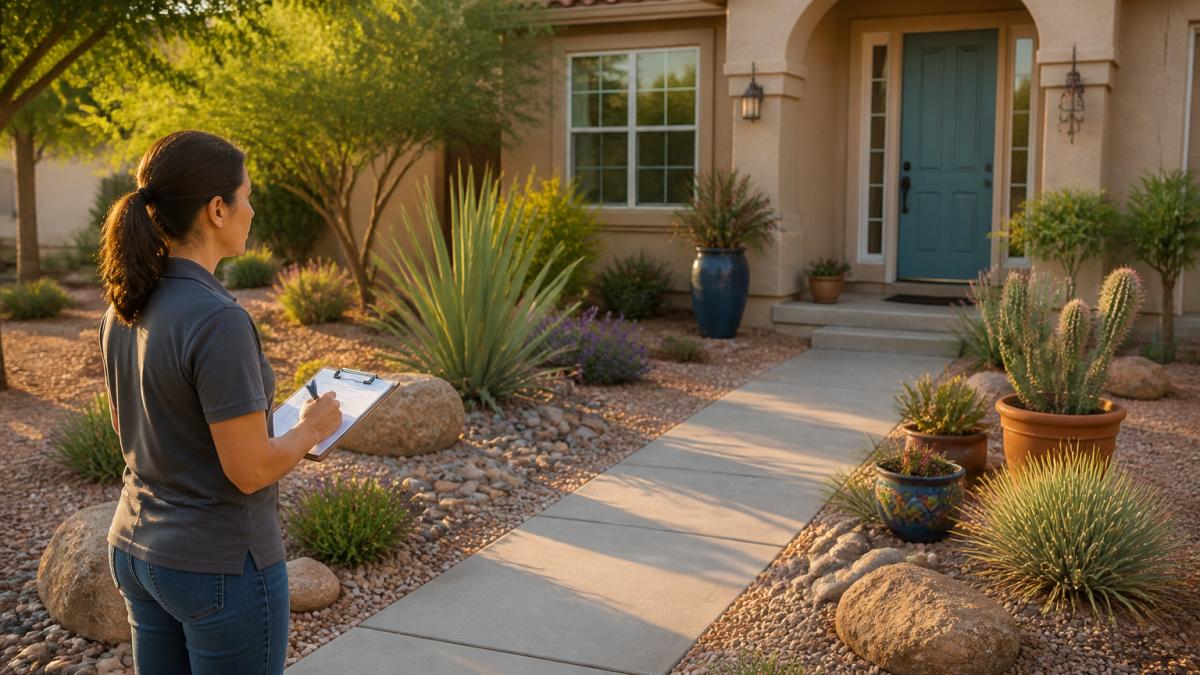
Front yard landscaping ideas work best when they match the house, not a trend. A modern flat-roof home and a brick bungalow need different plants, lines, and colors.
Build a Cohesive Plan Before You Plant
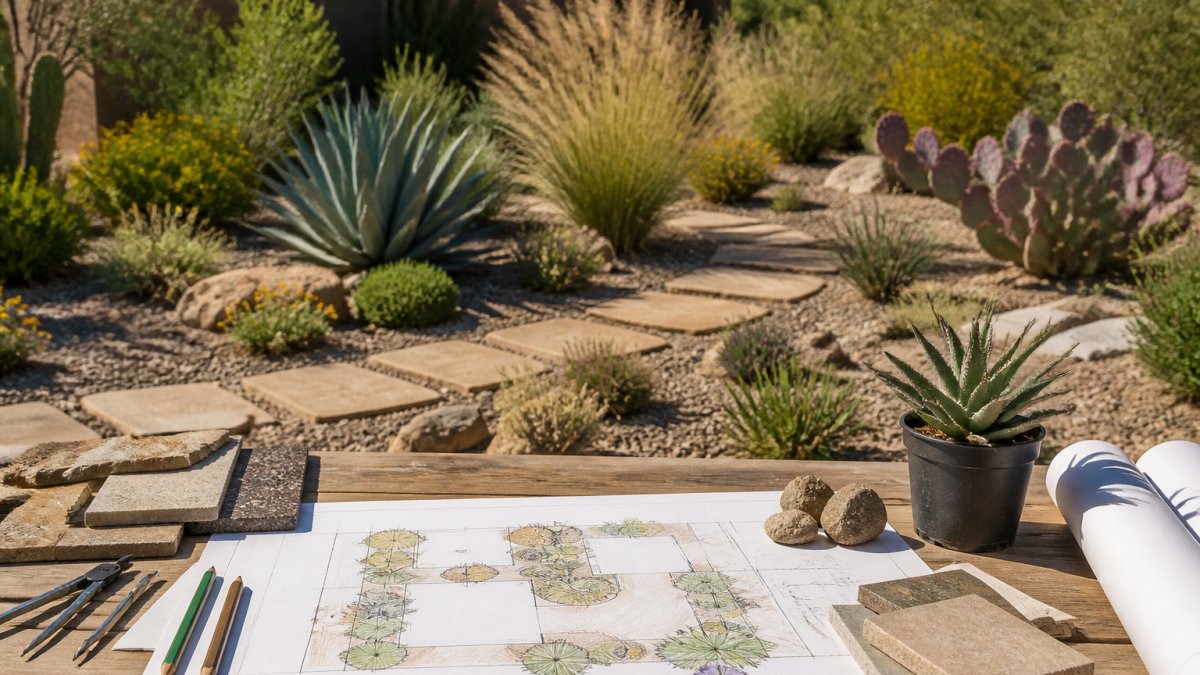
A cohesive plan is a simple drawing of your front yard with the door, walkway, and beds marked. It keeps every choice tied to one look. Follow these steps:
- Note your home's architectural style and keep it. A Craftsman bungalow suits deep eaves, earthy colors, and horizontal lines; a mid-century ranch suits low, spreading plants and clean geometry.
- Pick a three-color palette: siding, trim, and one accent. Carry the accent to the door, house numbers, and planters so the eye connects them.
- Repeat the same plant in groups of three or five. Repetition reads as design; one-of-everything reads as clutter.
- Keep bed lines simple and curved to match the walkway. Straight paths want straight beds; curved paths want gentle arcs.
- Choose plants that fit your light and water conditions, not the ones that look best at the nursery in spring.
Most guides skip this step, and it shows. Without a plan, you buy plants one at a time and end up with a patchwork.
Match Plants to Your Climate, Not a Catalog
Generic landscaping advice fails because a plant that thrives in one region dies in another. Before you buy, check your USDA Plant Hardiness Zone and your local extension office's recommendations. Then group plants by water need so nothing is over- or under-watered:
- Low-water zone (near the street, full sun): desert-adapted perennials, ornamental grasses, and succulents where hardy.
- Moderate zone (foundation beds): shrubs that tolerate reflected heat from the house.
- Higher-water zone (entry and containers): annuals and tropicals kept close to the door where you can water them easily.
Seasonal interest matters too. Choose at least one plant that blooms in spring, one with fall color, and one evergreen for winter structure, so the yard does not go flat for half the year.
Design a Safe, Accessible Approach
A beautiful entry that is hard to navigate fails its job. Widen walkways to at least 36 inches where possible, keep surfaces firm and level, and make steps visible with contrasting edges or low lighting. These choices help every visitor, guests with strollers, delivery drivers, and family members with limited mobility, and they align with the clear-width and firm-surface principles in the Americans with Disabilities Act standards for accessible routes.
Keep the Plan Maintainable
A design only works if you can keep it up. Choose plants that fit your actual watering schedule, mulch to suppress weeds, and avoid high-maintenance hedges that need constant shearing. If you travel or work long hours, drip irrigation on a timer and hardscape-heavy beds will keep the yard presentable with minimal effort. The best front yard is the one that still looks good in August, not just on planting day.
Low-Maintenance Landscaping for Desert Heat and Water Limits
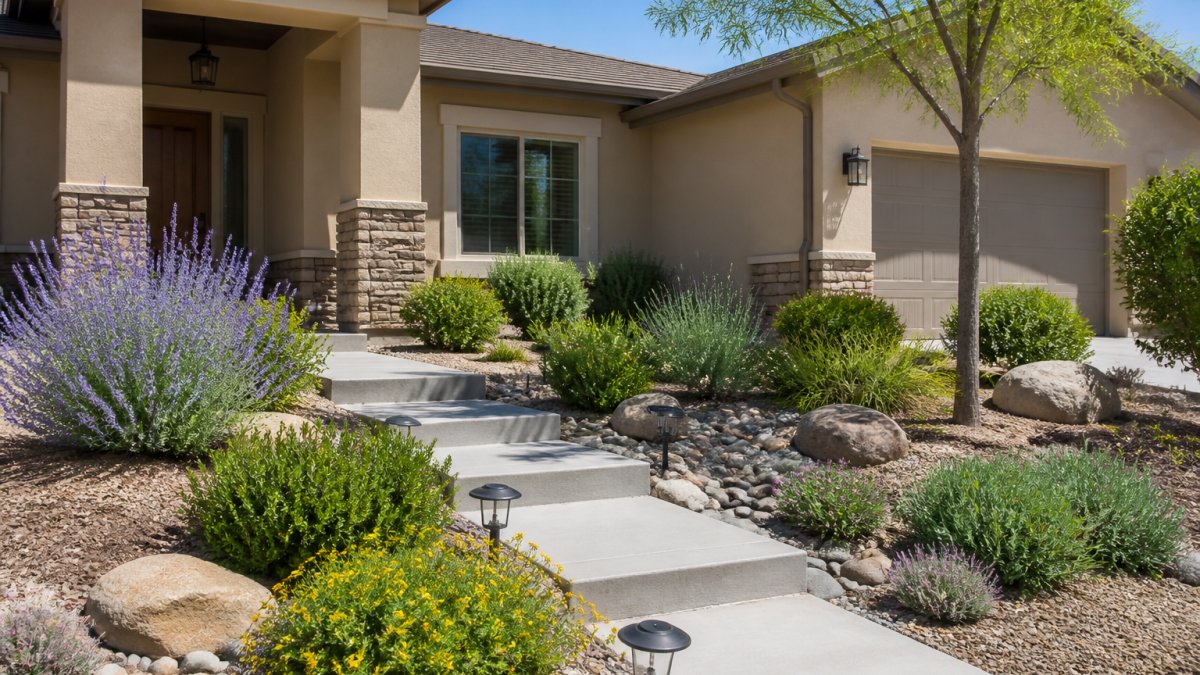
Low-maintenance landscaping means choosing plants that survive on less water and less fuss. In a hot, dry climate, that is the difference between a yard that lasts and one that fails by midsummer.
Focus on these choices:
- Native and desert-adapted plants that handle heat and dry spells
- Gravel or rock mulch that holds moisture and needs no replacing
- Drip irrigation on a timer so watering is consistent, not forgotten
The U.S. Environmental Protection Agency's WaterSense program explains that efficient irrigation and water-wise planting cut outdoor water use without sacrificing a healthy landscape.
Front Entry Fixes: Doors, Lighting, House Numbers, and Safe Walkways
The front entry is where curb appeal is won or lost. Buyers and guests stand there, so every detail gets a close look.
Fix these four things:
- Front door: paint it a strong accent color and repair any damage
- Porch lighting: replace dated fixtures and add warm bulbs
- House numbers: mount large, readable numbers visible from the street
The Americans with Disabilities Act standards for accessible routes offer useful guidance on clear widths and firm surfaces, which also make an entry safer for every visitor.
Watch out: a dark, cracked walkway is a safety problem, not just a looks problem. Repair loose pavers and add path lighting before you host anyone.
Curb Appeal Landscaping Services: What to Hire Out and What to Do Yourself
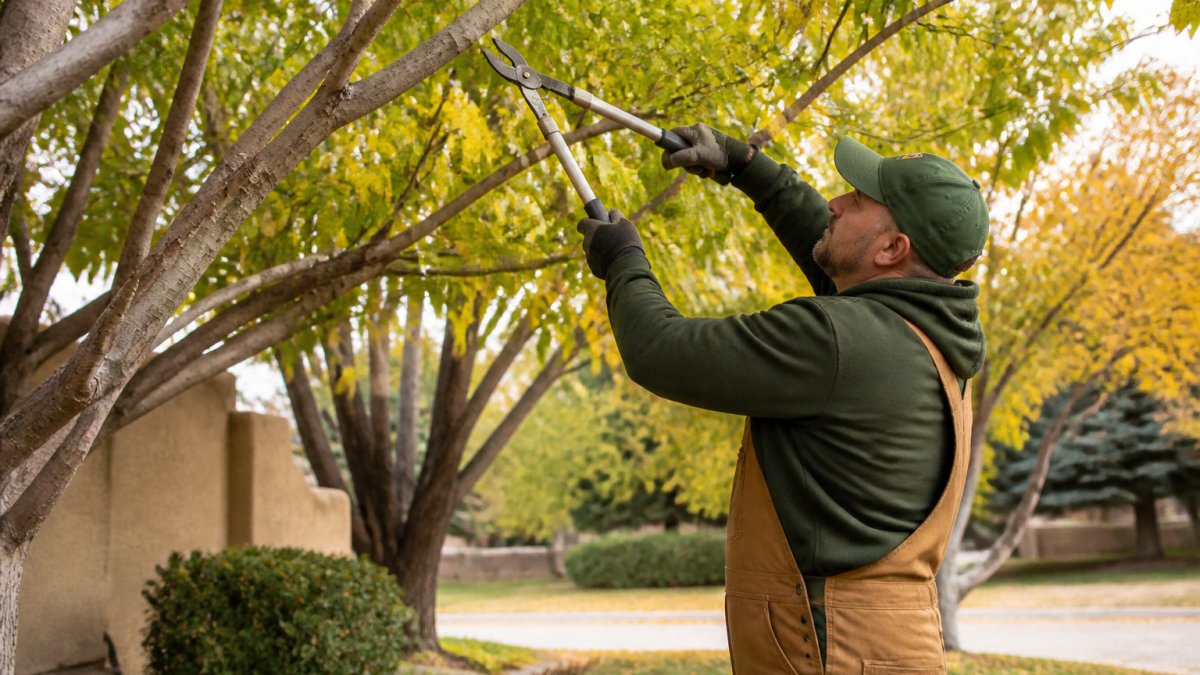
Curb appeal landscaping services make sense for the work that needs skill, tools, or a crew. See your yard, reimagined to explore the landscaping services available to book. Do the simple, safe tasks yourself and hire out the rest. Browse Our Work to see completed projects and judge whether the look matches what you want.
Long-Term Upkeep: Maintenance Costs and Rental-Friendly Updates
Curb appeal fades without upkeep. Budget for maintenance the same way you budget for the projects, because the cheapest plan is the one that lasts.
Plan for these recurring tasks:
- Mowing and edging through the growing season
- Seasonal cleanups in spring and fall
- Weeding and mulch refresh each year
Renters and anyone planning to move soon should favor reversible updates. Potted plants, removable lighting, and freestanding house-number signs all leave with you.
A common mistake is skipping the boring upkeep to fund a new project.
Schedule a Yard Assessment and Build Your Improvement Plan
The fastest way to improve curb appeal is to stop guessing and get a plan.
At Roadrunner Yard Maintenance, we provide routine mowing, seasonal cleanups, custom garden design, and irrigation installation for both residential and commercial properties.
Get started with Roadrunner Yard Maintenance and turn your first impression into your best one. Reach out through our contact page to set up your assessment.
Frequently Asked Questions
What should I fix first to improve curb appeal?
Start with cleaning, not buying. Power wash the walkway and siding, clear weeds from flower beds, rake leaves, clean gutters, and edge the lawn. These cost little and remove the problems that make a home look neglected. Once the surface is clean, move to high-impact fixes: a fresh front door color, updated house numbers, and porch lighting. Landscaping and planting come after that, because plants look best against a tidy background.
How can I improve curb appeal on a budget?
Focus on the front entry and the first 10 feet of the yard. Repaint the front door, replace the mailbox and house numbers, add a potted plant by the door, and swap outdated porch light fixtures.
Which landscaping changes make the biggest difference to curb appeal?
A defined walkway, layered planting with native species, and tidy lawn edges do the most work. In desert climates, low-maintenance landscaping with gravel mulch, drought-tolerant plants, and drip irrigation keeps the yard looking intentional without constant watering. Add one focal point, such as a specimen plant or a cluster of pots, rather than scattering small items. Consistent bed lines and matching materials make the whole front yard read as a single design.
Can curb appeal landscaping services handle maintenance year-round?
Yes. A full-service provider can cover mowing, edging, seasonal cleanups, irrigation checks, and shrub trimming on a recurring schedule, which matters for commercial properties and HOA common areas. Ask for a written scope that lists what happens each season, how irrigation problems are reported, and how quickly they respond. Confirm whether pricing is a flat package or a custom quote, and get the schedule in writing so you know what you are paying for.