 Ultimate guide
How Do You Manage Commercial Property Grounds Maintenance?
Last Updated: October 28, 2026
Quick Summary
Manage commercial grounds maintenance by building a written schedule and contract that define service scope, frequency, response times, and quality standards. Pair the scope of work with a service-level agreement, then track inspection scores, work-order completion time, complaints, safety incidents, and budget variance to hold the vendor accountable.
- The U.S. commercial grounds maintenance market reached $41.6 billion in 2026 and is projected to hit $52.17 billion by 2030.
- A sensible strategy mix is roughly 70% preventive, 20% condition-based, and 10% reactive maintenance.
- A scope of work should name tasks, quantities, areas, and frequencies so a third party could verify performance.
- Outsourcing usually wins for multi-site portfolios, while in-house crews suit single large campuses with steady year-round work.
- Set the KPI baseline in month one, then review performance quarterly on a fixed agenda.
Table of Contents
- What Commercial Grounds Maintenance Actually Covers
- Building a Commercial Grounds Maintenance Schedule
- What Belongs in a Commercial Grounds Maintenance Contract
- In-House vs Outsourced Commercial Landscaping
- Your Commercial Property Maintenance Checklist
- Measuring Performance With Grounds Maintenance KPIs
- Choosing a Grounds Maintenance Provider for Your Property
- Frequently Asked Questions
What Commercial Grounds Maintenance Actually Covers
The U.S. commercial grounds maintenance market reached $41.6 billion in 2026, and it is projected to hit $52.17 billion by 2030, according to Research and Markets' Commercial Grounds Maintenance Market Report 2026. That growth reflects a hard truth: commercial grounds maintenance is the planned, contracted care of a property's exterior landscape, from turf and trees to irrigation and hardscape, performed on a defined schedule against written quality standards.
Service Scope Beyond Mowing
Mowing is the visible 20% of the job. A complete scope also covers turf care, weed control, shrub and tree maintenance, planting-bed upkeep, mulch installation and replenishment, seasonal cleanups, and debris removal. Per Living Concepts Landscape's breakdown of what commercial grounds maintenance includes, irrigation audits, seasonal color rotations, and stormwater facility inspections belong in the same program.
Hardscape, Irrigation, and Stormwater
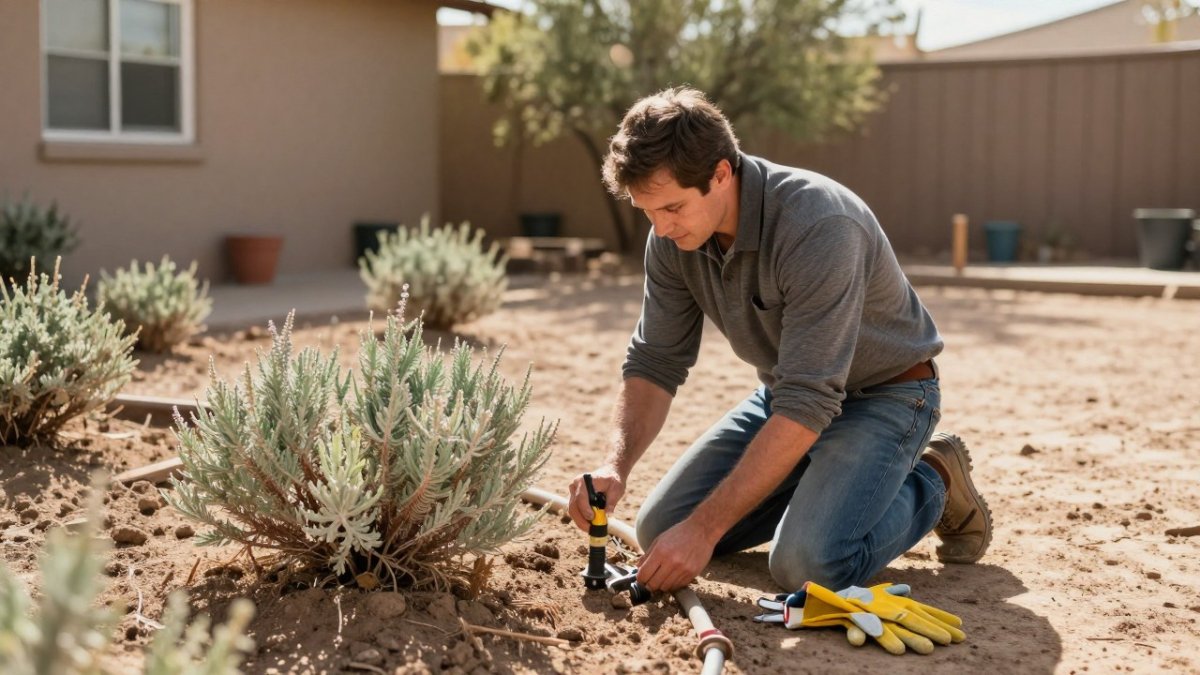
Hardscape maintenance protects sidewalks, curbs, and parking lot edges from heaving and cracking. Irrigation checks catch leaks and broken heads before water bills spike. Stormwater inspections keep drains clear, which matters for property safety and risk reduction, not just curb appeal.
Building a Commercial Grounds Maintenance Schedule
A commercial grounds maintenance schedule is a calendar that assigns each task to a season, a frequency, and an owner. Without one, work happens reactively and quality drifts. Oxmaint's 2026 property maintenance guide describes an approximate strategy mix of 70% preventive, 20% condition-based, and 10% reactive maintenance, and that ratio is a sensible target for grounds programs too.
| Season | Core Tasks | Typical Frequency |
|---|---|---|
| Spring | Cleanups, mulch replenishment, weed control, irrigation startup | Weekly mowing begins |
| Summer | Turf care, pest control, shrub maintenance, irrigation audits | Weekly to biweekly |
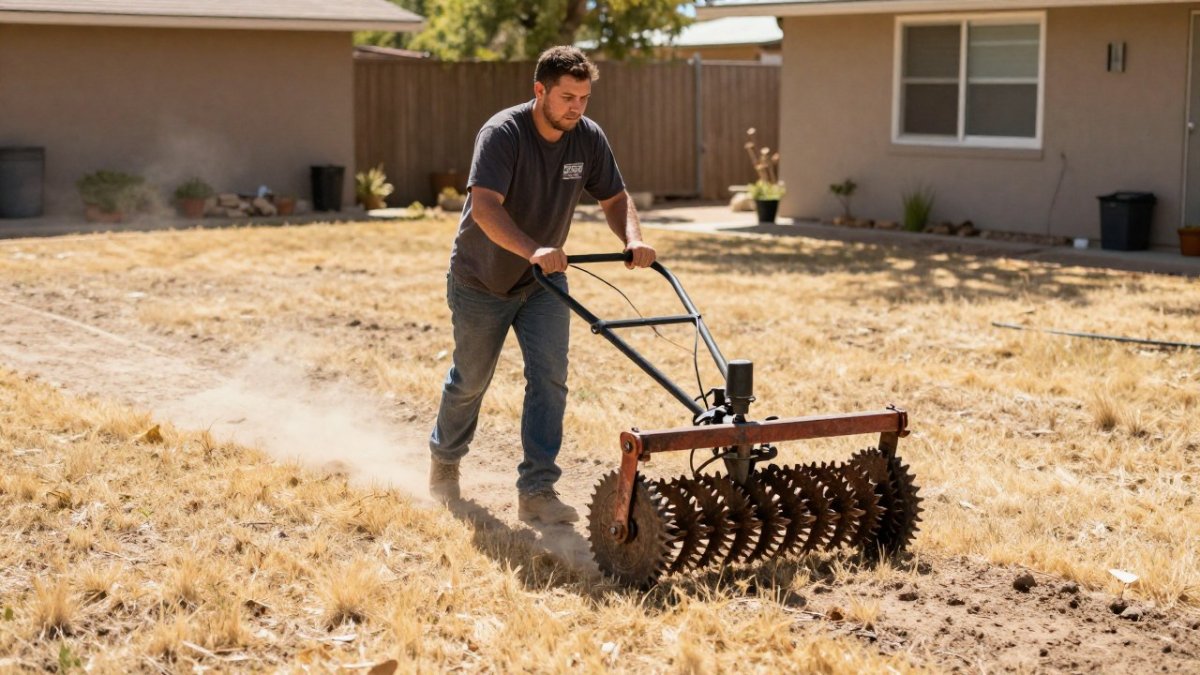
| Fall | Leaf and debris removal, overseeding, bed refresh | Weekly cleanup |
| Winter | Hardscape checks, tree care, drainage and site inspections | Monthly inspection |
Build the schedule around your property's actual traffic, plant palette, and climate rather than a generic template.
What Belongs in a Commercial Grounds Maintenance Contract
A commercial grounds maintenance contract should define service scope, service frequency, response time, quality standards, and pricing in writing. Vague contracts produce disputes.
The strongest contracts are built as a scope of work plus a service-level agreement (SLA). The scope says what gets done; the SLA says how well and how fast, and what happens when it isn't. Treat them as two documents that reference each other.
Scope of Work: Be Specific Enough to Audit
A scope of work should name tasks, quantities, areas, and frequencies so a third party could verify performance without arguing about intent. Weak language like "maintain turf as needed" is unauditable. Strong language names the standard.
- Turf: mow to a stated height range, with edging along walks and beds on a set frequency
- Beds: weed to a stated tolerance, refresh mulch to a stated depth, prune to a stated shape
- Irrigation: inspect zones on a schedule, report leaks and broken heads within a set window
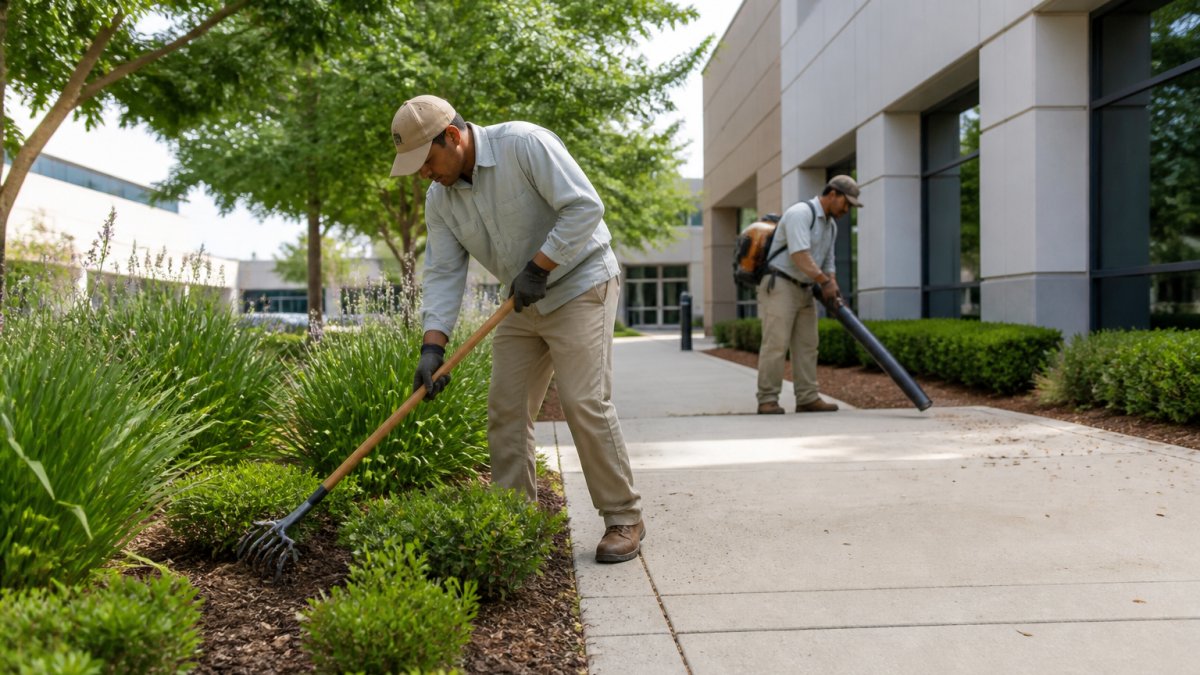
- Hardscape: blow or sweep walks, curbs, and lot edges on a set frequency
- Cleanups: spring and fall, with debris haul-off included and disposal fees addressed
Service-Level Agreement: Response Times and Remedies
An SLA converts good intentions into enforceable commitments. At minimum it should cover:
- Response-time tiers. Separate routine requests, urgent issues (a broken irrigation head flooding a walk), and emergencies (a downed limb blocking a drive aisle). Assign a response window to each tier and state whether the clock runs on notification or on dispatch.
- Quality standard. Reference an inspection method and a passing score rather than adjectives. "Beds will score 85 or better on the monthly inspection" is enforceable; "beds will look neat" is not.
- Reporting. Require a written report after each visit or each month, with photos of completed work and any deficiencies found.
- Remedies. State what happens when the vendor misses: rework at no charge, a service credit, or a cure period before termination. Remedies are what make the SLA real.
- Exclusions. Name what is not covered, major tree removals, irrigation system replacement, storm damage cleanup, snow and ice removal if contracted separately, so change orders are predictable rather than adversarial.
Work Orders, Change Orders, and Exit Terms
Extra work should move through a written work-order process: request, written estimate, approval threshold, completion, and invoice. Set a dollar threshold below which the vendor can act without prior approval, and require approval above it. For exit, define notice periods, transition obligations (returning keys, as-built irrigation notes, and site records), and how unfinished work orders are closed out. Contracts that skip exit terms are the ones that get renewed by inertia rather than performance.
In-House vs Outsourced Commercial Landscaping
Outsourcing commercial landscaping usually wins for multi-site portfolios, because it converts fixed payroll, equipment, and training costs into a predictable line item. In-house crews make sense for single large campuses with steady year-round work. For most property managers balancing several locations, a contracted vendor is the lower-risk option.
The wider industry is leaning operational. A 2026 survey of over 1,000 commercial landscaping professionals found that 41% of contractors are prioritizing optimization of existing processes over adding new service lines (National Association of Landscape Professionals' State of Commercial Landscaping in 2026). That focus on process is exactly what you want in a vendor. If you want to judge whether outsourcing is worthwhile, see examples of completed grounds work before you sign anything.
Your Commercial Property Maintenance Checklist
A commercial property maintenance checklist turns a walk-through into a repeatable inspection with scores and work orders. Run it monthly, and again after any severe weather.

- Turf height, color, and bare patches noted
- Weed pressure in beds and along hardscape edges
- Shrub shape, deadwood, and pest damage
- Mulch depth and coverage in planting beds
- Irrigation leaks, broken heads, and runoff
- Sidewalk, curb, and parking lot debris cleared
- Drainage inlets and stormwater areas clear
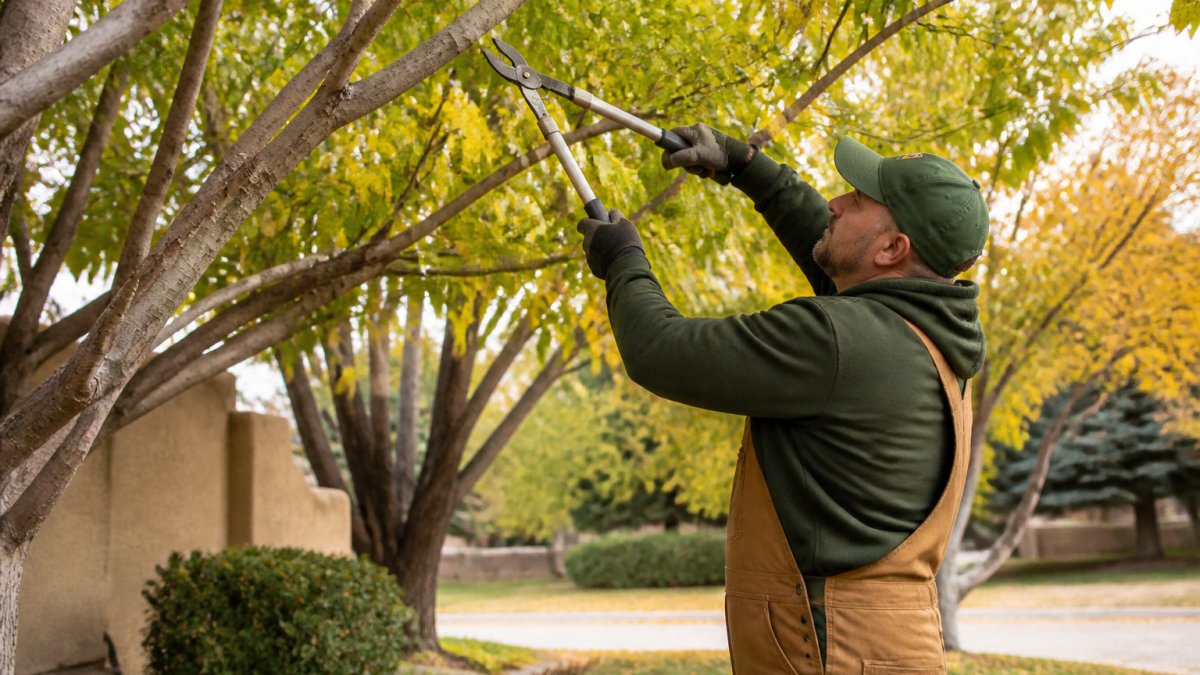
- Tree limbs near structures and walkways assessed
- Work orders logged with date and owner
Keep the completed checklist. It becomes your evidence trail when a vendor's performance is questioned.
Measuring Performance With Grounds Maintenance KPIs
Grounds maintenance KPIs are the numbers that tell you whether the contract is working: inspection scores, work-order completion time, complaint volume, and budget variance. Track four or five, no more. A vendor who hits inspection targets and closes work orders fast is delivering. One who misses both is costing you curb appeal and property safety.
The point of a KPI set is to make the quarterly review a conversation about evidence rather than impressions. Pick the metrics that map to your biggest risks, safety, appearance, and cost, and define each one the same way every month so the trend means something.
The Core KPI Set
| KPI | How to Measure | What Good Looks Like |
|---|---|---|
| Inspection score | Monthly walk-through scored against the contract standard, same inspector and same checklist each time | At or above the contract threshold, with no repeat deficiencies |
| Work-order completion time | Median days from request to verified completion, split by response tier | Routine requests closed inside the agreed window; urgent issues same or next day |
| Complaint volume | Count of tenant or occupant complaints per site per month, tagged by category | Flat or falling month over month, with no category clustering |
| Safety incidents | Recordable incidents tied to grounds conditions (trip hazards, limb failures, ice) | Zero, with near-misses logged and corrected |
| Budget variance | Actual spend versus approved grounds budget, by line item | Within an agreed tolerance, with variances explained in writing |
Setting Baselines and Review Cadence
Set the baseline in month one, then review quarterly. The first inspection establishes the starting score; the first quarter establishes normal work-order volume and complaint rate. Without a baseline, every later number is arguable.
Run the review on a fixed agenda: inspection trend, work-order aging, complaints by category, safety log, and budget variance. Ask the vendor to bring their own numbers and photos. When the vendor's report and yours disagree, the inspection checklist and dated photos settle it.
Turning KPIs Into Action
A KPI that does not trigger a response is decoration. Agree in advance what happens when a metric misses: a rework visit for a failed inspection, a cure plan for work-order aging, a root-cause review for a repeat complaint category. Escalate in writing, and keep the record. Over a year, that record is what lets you renegotiate scope, adjust frequency, or replace a vendor on evidence instead of frustration.
Choosing a Grounds Maintenance Provider for Your Property
Choosing a grounds maintenance provider comes down to verified scope, documented process, and proof of past work. Ask for a written service scope, a sample inspection report, and references from properties similar to yours. Then check responsiveness before you sign.
At Roadrunner Yard Maintenance, our services include routine lawn mowing, seasonal cleanups, garden design, hardscaping, and irrigation installation for residential and commercial properties. Explore the yard and grounds services we offer to see how a scope maps to your site, or contact our team to discuss your needs.
Frequently Asked Questions
What does commercial grounds maintenance include?
Commercial grounds maintenance can include lawn mowing and turf care, weed control, shrub and tree care, planting-bed upkeep, mulch installation and replenishment, seasonal cleanups, and debris removal. A 2026 industry article notes that programs now routinely include irrigation audits and seasonal color rotations. Scope should be written into the contract so both sides agree on what is covered and what costs extra.
How often should commercial property grounds be maintained?
Frequency depends on the property type, climate, and traffic. A 2026 property-maintenance guide describes an approximate strategy mix of 70% preventive and 20% condition-based work, with the rest reactive. Review the schedule each season as growth and weather shift.
Is it better to hire an in-house grounds crew or outsource maintenance?
The in-house vs outsourced commercial landscaping decision can turn on portfolio size and how many sites you manage. A 2026 survey found 41% of commercial landscaping contractors are prioritizing operational optimization.
How can property managers control commercial landscaping costs?
Start with a written scope so you can define the work. Track budget variance against actual invoices. Contact Roadrunner Yard Maintenance for a quote; pricing depends on the property's needs and scope.
What safety and accessibility issues should property managers check outdoors?
Property managers can walk the site for trip hazards such as cracked sidewalks, uneven pavers, and roots lifting pavement. They can check that parking lot striping is visible, drainage grates are clear, and irrigation heads are not spraying onto walkways. They can also check trees near buildings, signs, and power lines, and whether mulch is piled against foundations.
Managing commercial grounds well is less about finding a crew and more about running a system: a written schedule, a contract with teeth, and KPIs you actually review. If your current provider looks strong in month one and fades by month four, that system is missing. Get started with Roadrunner Yard Maintenance and put preventive grounds care, documented inspections, and reliable seasonal service to work on your property.