 Ultimate guide
5 Reasons Water Conservation Matters in Albuquerque
Last Updated: November 24, 2026
Quick Summary
Water conservation matters in Albuquerque because the city is a high desert that receives only about 9 inches of precipitation a year, so every gallon has to stretch across homes, businesses and yards. Limited rain forces the community to lean on the aquifer during dry years. Small daily habits and efficient irrigation help protect that supply.
- Albuquerque receives only about 9 inches of precipitation a year.
- Outdoor irrigation is the largest discretionary water use in most single-family households.
- The state's 50-Year Water Action Plan targets a 25% water loss reduction by 2040.
- Checking a drip irrigation line monthly can catch leaks before they waste hundreds of gallons.
- Watering early in the morning reduces evaporation.
Table of Contents
- Why Does Water Conservation Matter in Albuquerque?
- The Arid Climate and a Limited Local Water Supply
- What the Albuquerque Aquifer Level Means for Residents
- How Rainwater Harvesting in Albuquerque Stretches Supply
- Preventing Albuquerque Water Shortage Through Daily Habits
- Water Reuse, Infrastructure, and Policy Efforts Underway
- Protecting Your Yard and Your Water Bill Starting This Season
- Frequently Asked Questions
Why Does Water Conservation Matter in Albuquerque?
Water conservation matters in Albuquerque because the city sits in a high desert where rain is scarce and the supply has to stretch across every household, business and yard. Albuquerque receives only about 9 inches of precipitation a year, according to a New Mexico Department of Finance and Administration water conservation guide, which makes every gallon count. At Roadrunner Yard Maintenance, we see the effects every season in the yards we manage, where thirsty turf and poorly planned irrigation waste water before anyone notices.
This article covers five reasons water conservation matters in Albuquerque, from the arid climate and the aquifer to the daily habits that protect your yard and your water bill.
The Arid Climate and a Limited Local Water Supply
Albuquerque's supply is limited by its climate. With roughly 9 inches of rain a year, the city depends on managed water sources rather than natural replenishment in any given season, so demand has to be kept in check.
A 2007 study of water saving and capturing innovations for the Albuquerque Bernalillo County area examined three innovations for their potential water, energy and monetary savings in the region. The research shows that conservation options have been evaluated locally for years, though the measured savings are not reported in the summary available to us.
What the Albuquerque Aquifer Level Means for Residents
The aquifer is the underground reserve that the city has historically drawn from, and its health determines how much water is available when surface supplies run thin. The Albuquerque Basin aquifer is recharged slowly, and pumping faster than recharge lowers the water table, which can increase pumping costs, affect water quality, and reduce the buffer the community has during drought.
A useful way to think about it: the aquifer behaves like a savings account, and the Rio Grande is the checking account. In wet years, the river and its canals can meet much of the demand; in dry years, the aquifer makes up the difference. The more residents conserve year-round, the less the community has to draw down the reserve during the stretches when the river is low.
A 2025 Springer study on residents' water-saving behavior in Albuquerque and Bernalillo County explores what drives residents to save water locally. The takeaway for homeowners is that behavior is not fixed: people who understand where their water comes from and what it costs tend to conserve more consistently than people who treat water as an unlimited utility.
For residents, the practical implications are concrete. Outdoor irrigation is the largest discretionary use in most single-family households, so the fastest way to reduce aquifer pressure is to shrink the outdoor demand curve: convert low-traffic turf to xeriscape, repair leaks in drip lines and sprinkler heads, and adjust controllers seasonally. Indoor fixes matter too, especially older toilets and showerheads, which can quietly waste thousands of gallons a year.
How Rainwater Harvesting in Albuquerque Stretches Supply
Rainwater harvesting captures the limited rain that falls and puts it to use in the yard instead of letting it run off. In a city that averages about 9 inches of precipitation, even modest capture can offset some of the irrigation demand on the household supply.
Collecting rain in barrels or directing roof runoff into planting beds works best when paired with drought-tolerant plants. Harvested water is most useful during the spring and early summer, when dry conditions hit hardest.
Preventing Albuquerque Water Shortage Through Daily Habits
Shortage is usually prevented by small, repeated decisions rather than one large project. Watering early in the morning to reduce evaporation, fixing leaks promptly and matching irrigation run times to the season all cut waste.
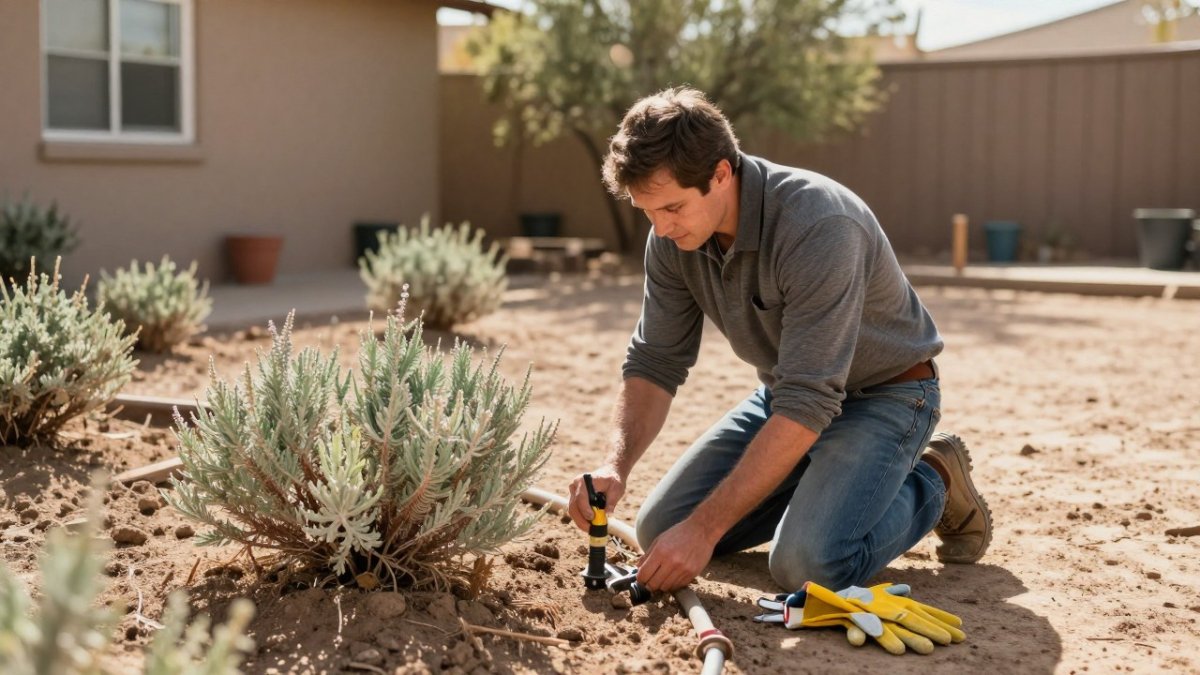
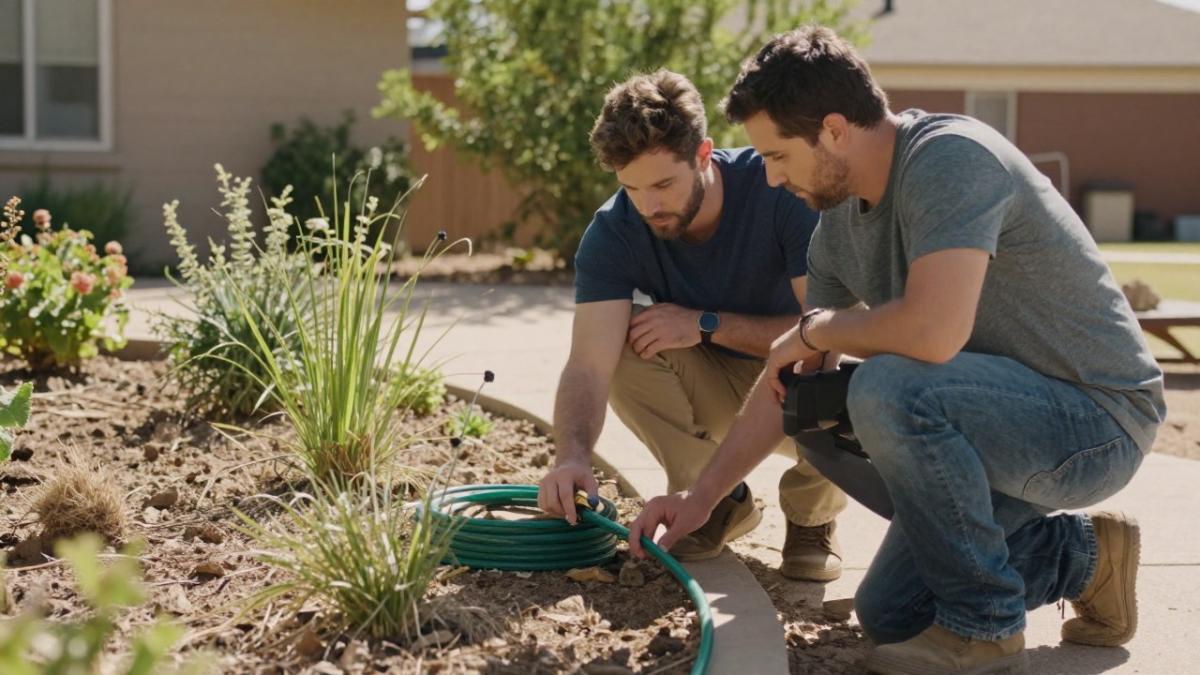
A homeowner who checks a drip irrigation line once a month can catch a leak before it wastes hundreds of gallons. Consistent habits like these help keep the supply steady when the summer heat peaks.
Small, repeated habits do most of the work in preventing shortage; the table below summarises the actions the article describes.
| Habit | What it does | Timing or frequency |
|---|---|---|
| Water early in the morning | Reduces evaporation | Daily during watering season |
| Fix leaks promptly | Stops water waste | As soon as found |
| Check drip line for leaks | Catches leaks early | Once a month |
| Match run times to season | Avoids over-irrigation | Seasonally |
Water Reuse, Infrastructure, and Policy Efforts Underway
Water reuse is part of the broader strategy. The U.S. Water Alliance profile of Albuquerque's One Water approach describes polishing wastewater and industrial effluent so it can be used again, alongside more efficient use of water. In practice, treated effluent can be redirected to parks, golf courses, and industrial cooling, which frees up potable supply for households.
Statewide planning points in the same direction. The State of New Mexico 50-Year Water Action Plan lists conservation, expanded recycling and limits on outdoor water use as priorities, and sets a goal of reducing public drinking-water infrastructure water loss by 25% by 2040. Infrastructure repair matters because leaks in the distribution system waste treated water before it ever reaches a meter, and fixing them is often cheaper per gallon than developing new supply.
Water scarcity and the cost of new supply can influence utility rates, so conserving water can also help manage future utility bills.
For residents, the practical response is to treat conservation as long-term cost management: audit irrigation, convert turf where it is not used, and keep records of water bills so you can see whether your changes are actually reducing consumption.
Protecting Your Yard and Your Water Bill Starting This Season
Start by auditing your irrigation system for leaks, overspray and run times that no longer match the season. Replace thirsty turf in low-traffic areas with plants suited to the high desert, and group plants by water needs so you are not overwatering the drought-tolerant beds.
For help with the details, read our guide to 7 professional irrigation system maintenance tips that save water and our notes on troubleshooting irrigation systems in dry climates. If you are choosing new plants, our overview of the best native plants for Albuquerque covers options that suit the local climate. Businesses weighing their options can also compare commercial landscaping and xeriscaping costs for offices.
Pricing depends on property size, scope and timing, so contact Roadrunner Yard Maintenance through our website for a quote on your property.
Frequently Asked Questions
Does Albuquerque have a water problem?
Albuquerque gets only about 9 inches of precipitation a year. That arid climate means the city depends heavily on managed supplies, and conservation is a practical way to keep those supplies stable. The issue is less a sudden crisis than a long-term limit that calls for steady, ongoing conservation.
Where does Albuquerque get its water supply?
The research supplied for this article does not fully document the city's source mix, so this answer will not give specific percentages. For the current sourcing breakdown, check the City of Albuquerque water utility's published reports.
How does rainwater harvesting help conserve water in Albuquerque?
Rainwater harvesting captures runoff from roofs and paved surfaces so it can water landscaping instead of potable supply. In a region that averages about 9 inches of precipitation a year, even modest captured volumes reduce demand on municipal water during dry months. The supplied research does not provide a measured savings figure for local harvesting, so treat it as a supplement to efficient irrigation rather than a replacement. Simple setups such as rain barrels connected to garden beds are a practical starting point for most homeowners.
What can residents do to conserve water outdoors?
Outdoor watering is where many households use the most water, so adjusting irrigation schedules is the fastest win. Water deeply but less often, run irrigation early in the morning to reduce evaporation, and fix leaks in drip lines and sprinkler heads. Choosing drought-tolerant plants and mulching beds also cuts the amount of water landscapes need. Contact Roadrunner Yard Maintenance for a current quote, as pricing depends on property size and scope of work.